






- Parents come to me with children who face a variety of developmental challenges, such as difficulties in communication, fine motor skills, sensory-emotional regulation, play, and eating. I work with children from infancy through elementary school, with or without an official developmental diagnosis.
- Parents who come after their child has already undergone developmental assessment consult with me to create an occupational therapy intervention plan.
- Some parents notice developmental delays in their child but are uncertain about the severity or cause. These parents consult with me for guidance on whether a comprehensive assessment is needed and to receive tools to strengthen their child's abilities.
- Parents who are concerned about their child’s social-communication development, notice differences in play compared to peers, or see sensory, emotional, or motor challenges also reach out.
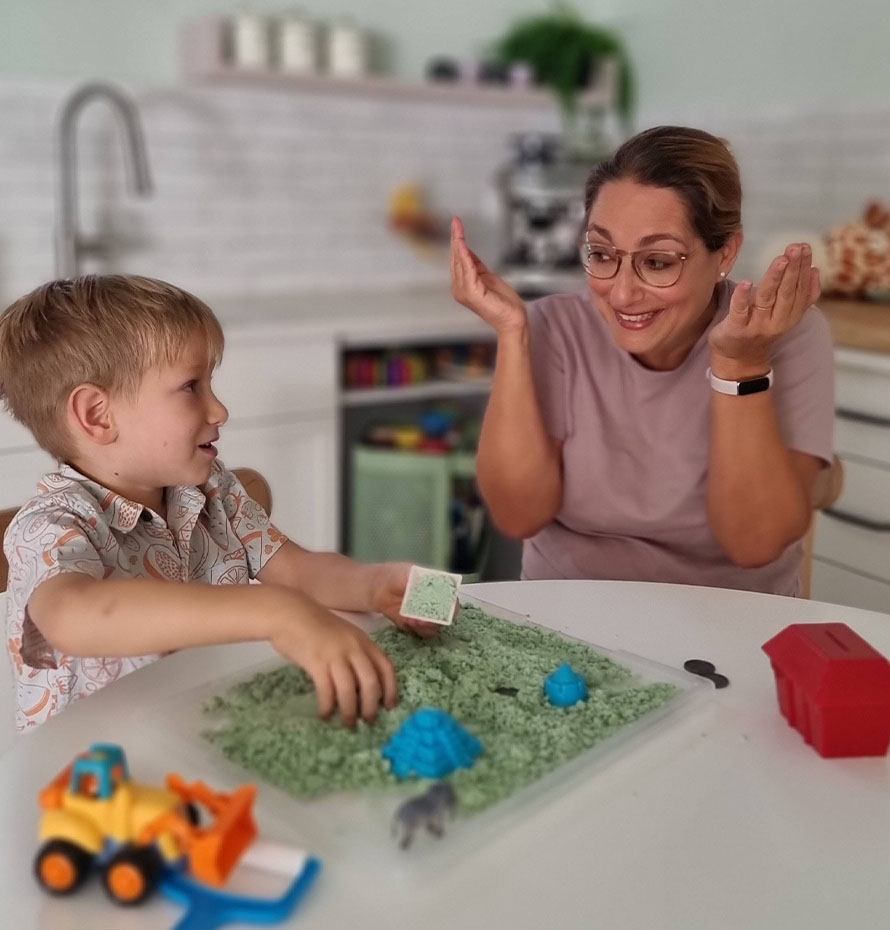
- Additionally, parents who want to enhance their ability to understand and support their child’s development through tailored play come to me. We conduct 2–3 sessions to assess the child’s developmental profile and play abilities with the parent. Afterwards, we practice different types of play together, focusing on building the parent’s ability to adjust the interaction and activity level. This approach aims to create a smooth parent-child play flow, fostering mutual enjoyment, attention, and the child’s sustained interest.
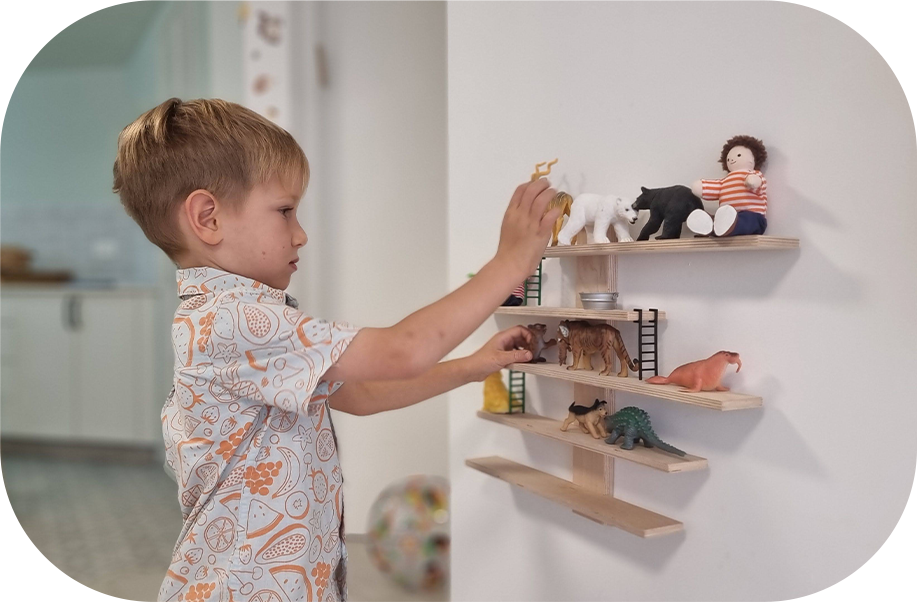
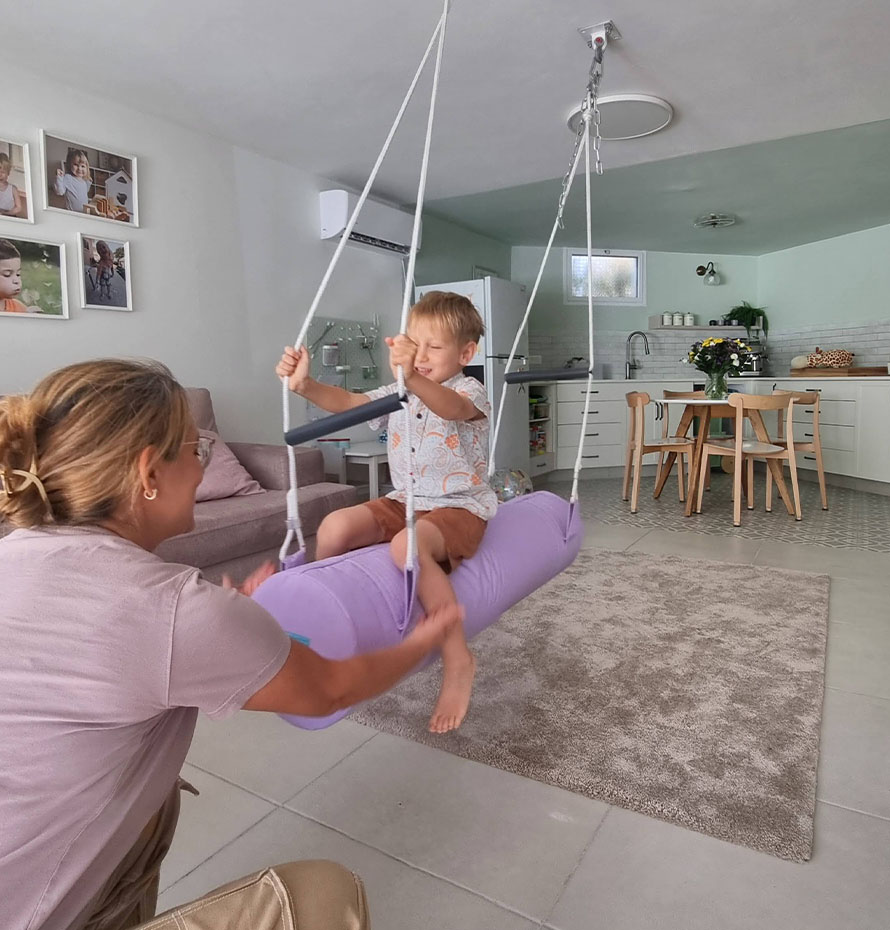
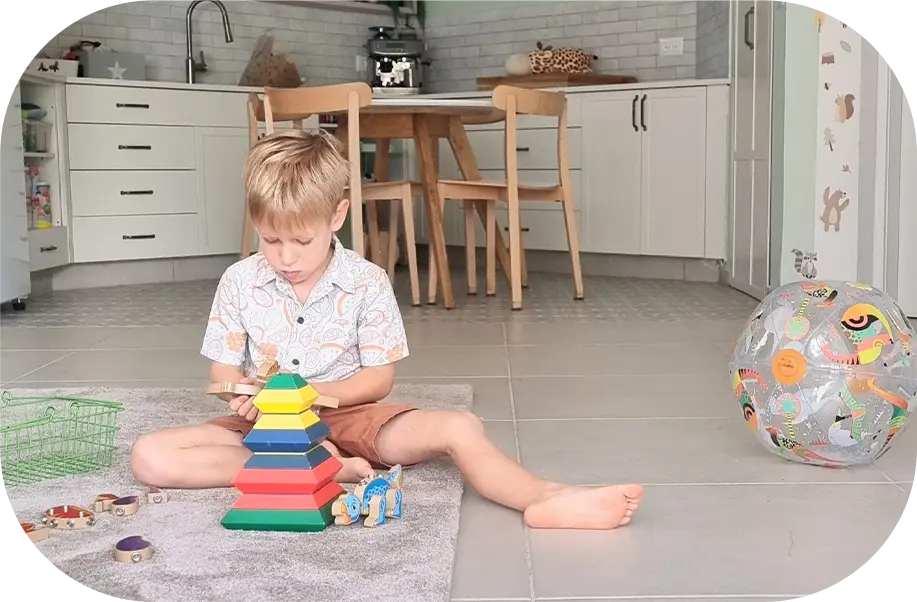
- Most treatments are individual and take place in a well-equipped clinic tailored to young children. The clinic includes art supplies, board games, toys, and sensory-motor equipment that support a range of intervention goals. The parent and child are both present during sessions. I maintain weekly communication with parents to support home practice and with parental consent coordinate with other professionals interacting with the child, such as the child’s teacher.
- Parent coaching, especially for young children, is the most effective way to promote developmental change. Coaching sessions are held in the clinic or online. For children treated at the clinic, these sessions address questions that arise during sessions and enable continuous support for home practice. Meetings also provide an opportunity for parents to share video clips of challenging situations from the child’s daily routine, allowing for targeted support.
- I also provide consultation to parents of children not receiving direct intervention at the clinic, such as families living far away, parents seeking to refine their therapeutic approach, or those needing consultation on autism diagnosis or developmental support strategies. Frequency of consultation can range from a single session to weekly meetings. For pricing information, please send an email, and I will work to create the most suitable package for your needs.
- Home-based intervention may be more suitable for some families. Home sessions are conducted when the environment allows focused work with the child and parent. I bring some equipment but also use household items. Home-based intervention requires a parent’s presence and entails additional logistical planning for both myself and the family, so it may not always be feasible. Home-based intervention costs include travel time. If relevant, please request a quote based on your location.
- Video recording of intervention sessions is an option for monitoring progress and for instructional and coaching purposes (with parental consent).
- Diagnostic and assessment processes, along with diagnostic summary reports, are separate from ongoing intervention.
- If you are interested in a professional observation at your child’s preschool and guidance for the educational team, please contact me for a quote. With permission and coordination, these observations help identify challenges not visible at home or in the clinic, but which are crucial for the child’s progress. Supporting the preschool staff to meet the child’s needs is essential to transferring therapeutic gains from the clinic to the classroom.
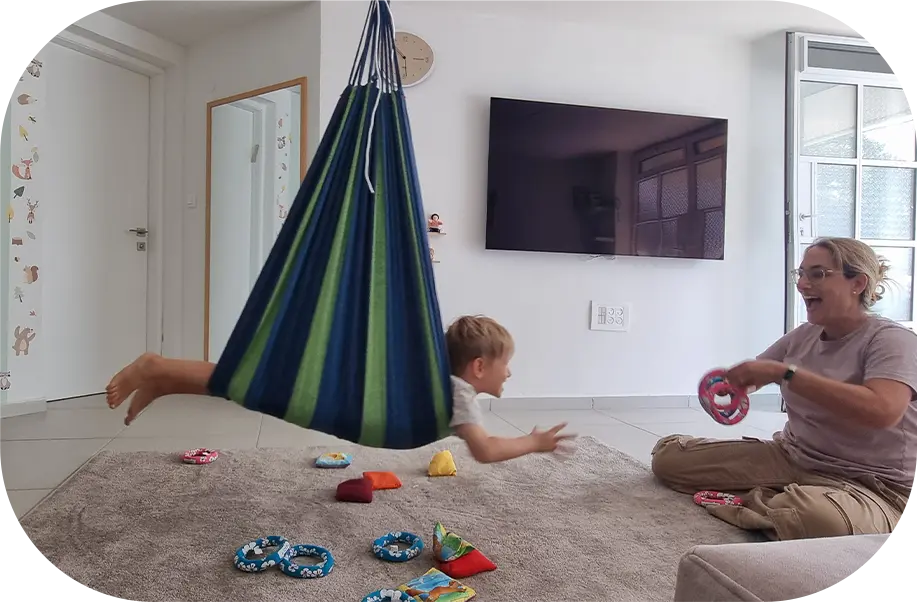
- The clinic offers individual or group training for professionals working in developmental fields. Training is conducted at the educational institution, therapy center or online. These sessions may cover general topics, pre-determined and relevant to a group of professionals, or focus on specific cases. Sessions may be one-time or ongoing. In addition, I provide guest lectures for educational and therapeutic teams.
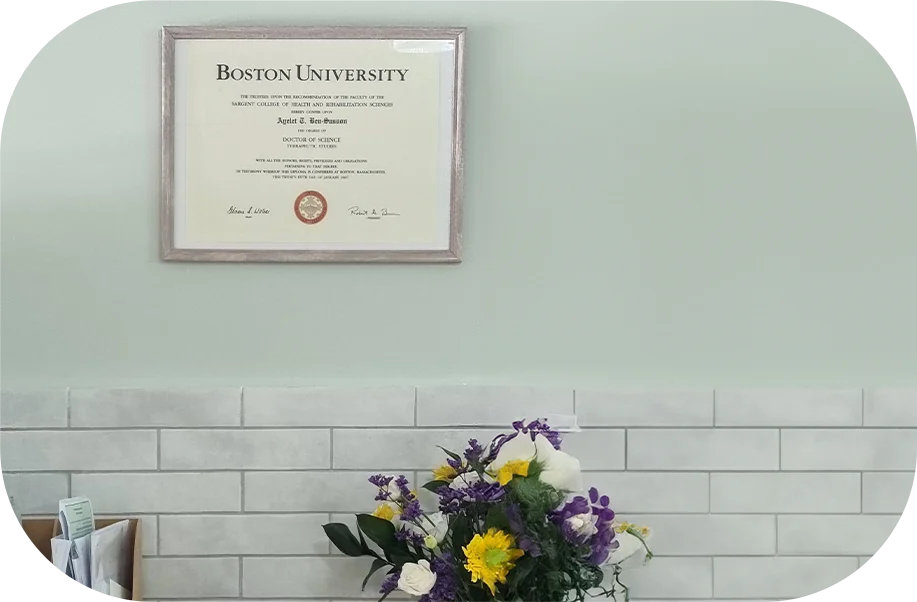
My work incorporates principles from a variety of approaches I have studied over the years. I don’t adhere to a single approach which allows flexibility in aligning my methods with the specific goals of the client and family, and tailoring them to the child’s responses to these methods.
Developmental Approach
In working with young children, it’s essential to create a therapeutic environment that promotes development. This means starting from the child’s current developmental stage in terms of communication, sensory-motor skills, emotional, and cognitive abilities. Intervention sessions are structured so that interactions and tasks gradually increase in difficulty. The types of play used in intervention allow the child to work on developmental skills step by step. I also guide parents in understanding their child’s behavior from a developmental perspective.
Children up to age six with suspected or diagnosed autism can benefit greatly from an intensive process that enriches their daily lives with countless developmentally appropriate learning opportunities. In working with families, I help tailor interactions so the child can participate, imitate, and enjoy shared play. Success in integrating developmental-emotional and behavioral approaches relies on early brain plasticity, especially in social-communicative and emotional skills.
Sensory-Motor, Cognitive, and Behavioral Approach
For children with gross and fine motor difficulties, I integrate principles from motor learning, neurodevelopmental, cognitive-dynamic, and cognitive orientation approaches for daily occupational tasks. Using these principles allows me to shape the physical and verbal support needed for motor learning and its generalization.
For children with sensory and emotional regulation difficulties, I combine principles from sensory, behavioral, and cognitive approaches. Sensory regulation issues often co-occur with attentional and emotional regulation difficulties. Children sensitive to sounds or textures may also suffer from anxiety, impulsivity, and avoidance behaviors. It is essential to work towards the child’s and family’s short-term well-being while building a foundation for long-term well-being. Understanding the child’s patterns of avoidance and participation helps in this process.
Functional Approach
Functional work is direct therapeutic work on the child’s daily life skills, including play, crafts, eating, dressing, and personal hygiene. I believe in the value of direct work on daily life skills as it allows practice of the steps needed for functional performance (e.g., communication, fine motor skills).
Evidence-Based and Individually Tailored Practice
As a researcher at heart, I apply evidence-based practice, combining scientifically studied assessment and treatment methods with my clinical experience to design intervention tailored to the child’s unique profile. Every child brings a unique combination of strengths and challenges to practice. No client is identical, either in their medical profile, personality, or family environment.
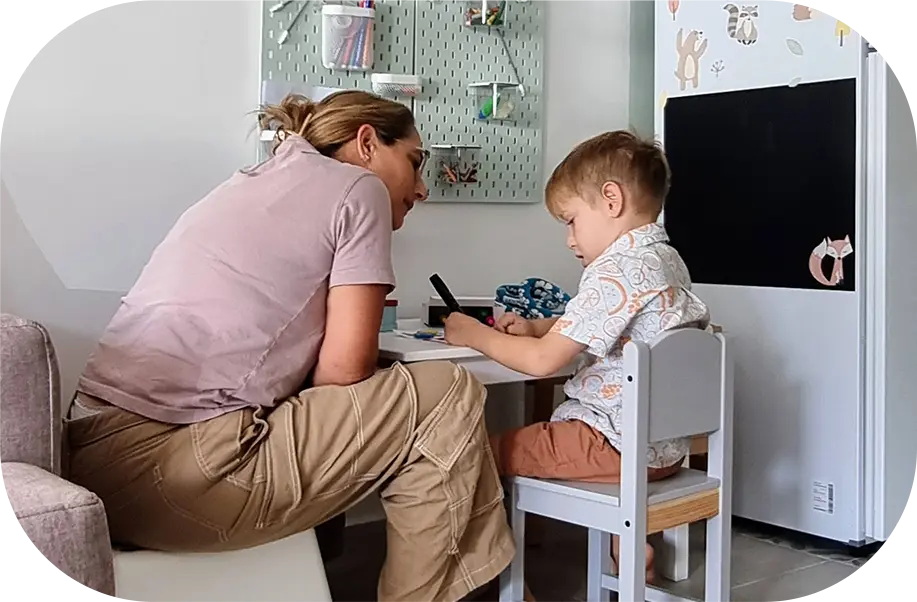
- Individual therapy sessions are held at my clinic in Zichron Yaakov. Home-based sessions are rarely scheduled. Contact me for a quote for home-based sessions according to your address.
- Parent coaching sessions are held at the clinic or online.
- Professional training sessions are held at the educational institution/treatment center or online.
It is possible to arrange a meeting at the child’s preschool for observation and staff training.
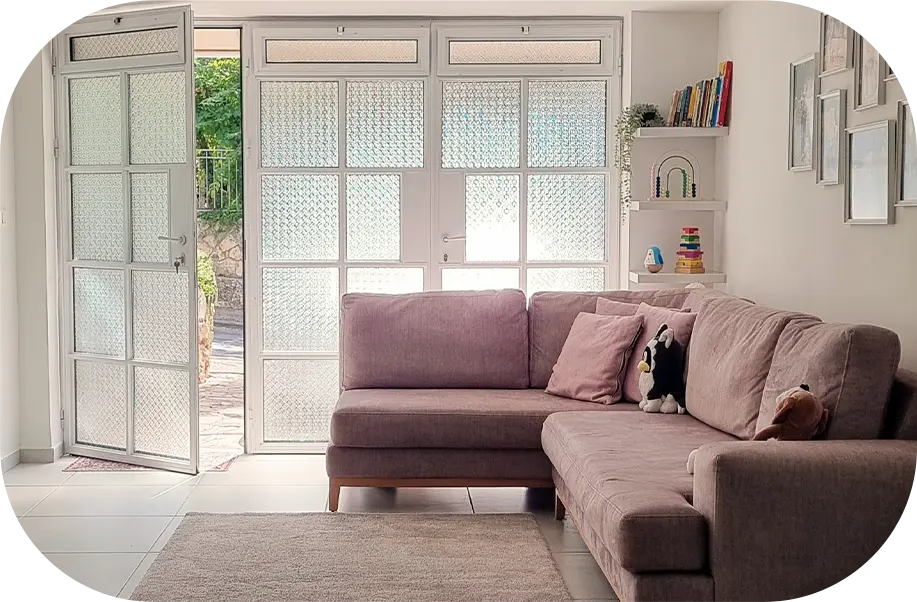
- Individual therapy sessions at the clinic last 45 minutes. Children who attend twice a week come to sessions lasting half an hour. Each session begins with a brief update from the past week, and at the end, there is time for a learning summary and questions.
- If you are late to the session, to respect the following appointments, we will need to finish on time.
- Yes, you can schedule evaluation sessions with me. The number of sessions required for this process will be determined based on the reason for referral. Contact me for a quote if you are interested in an evaluation and receiving an assessment report.
- For National Insurance benefits, school placement committees, or receiving treatment from the health maintenance organization, you will need an evaluation through your health maintenance organization. Parents come to me for private evaluations when they want a private assessment, a second opinion of their child’s diagnosis, or an evaluation to create a more precise intervention plan.
- Check with your medical insurance provider regarding your eligibility for reimbursement.
- The cost of individual intervention includes session time, a session summary, and homework recommendations. Communication with parents during the week regarding practice recommendations or specific questions related to therapy is also included.
- The cost does not include parent coaching sessions at the clinic or online, home visits, school observations, and staff training.
- The cost of intervention sessions does not include a diagnostic process and receipt of a diagnostic summary report.
- If you need an intervention summary report, please contact me at least two weeks in advance. I invest time and thought into writing this professional summary. If the report is required for a specific organization (e.g., National Insurance, kindergarten teacher), please inform me so I can tailor the summary to its intended audience. An intervention summary report is included in the cost of ongoing therapy, provided we have had at least four individual intervention sessions. A summary report can be requested no more than once per quarter.
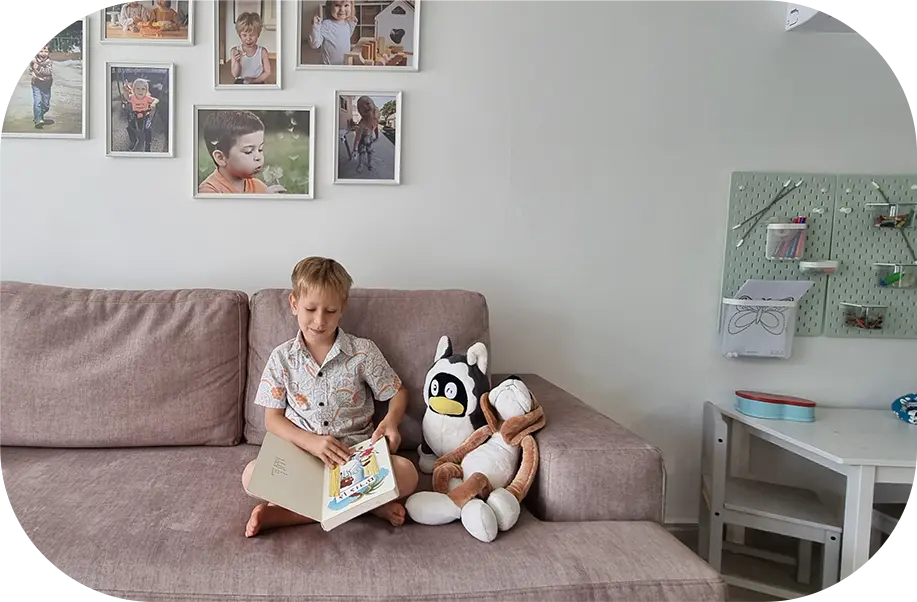
- During our meetings, please silence your phone entirely. Phone noises distract the child, the parents and myself and disrupt our focus. The success of intervention depends on your involvement and what you take from it for the week ahead. For this to happen, it’s essential for you to be present during the session. Behind the clinic environment, activities, and interactions, there is specific clinical planning tailored to your needs. It’s important that you observe, participate, and ask questions so that we can build a plan from the 45 minutes of the session for the other 10,080 minutes of the week.
- You are welcome to contact me via WhatsApp, email, or phone. If I am unavailable, I will try to get back to you within 24 hours. If your inquiry requires a dedicated coaching session, I will suggest scheduling a suitable time. Online or clinic-based coaching sessions are priced like an intervention session.
- Young children may often feel tired or hungry more quickly than adults. Try to ensure the child has eaten something before the session. Intervention sessions require the child’s active participation, so it’s essential they arrive at their best. If I see that the child is consistently hungry or tired during sessions, I may recommend changing the session time to another part of the day. It’s important to make the most of your effort in leaving work, family, or travel time so that intervention time aligns with the child’s level of alertness. In some cases, I may ask you to bring a snack to the session, which we will incorporate into our work.
- If the child has a contagious illness, such as a stomach virus or flu, please cancel our session. Please allow me to stay healthy and protect the health of my other clients, some of whom have weakened immune systems.
- Please notify me of any re-scheduling needs at least 24 hours before our session so I can offer the time slot to other parents. I will try to reschedule for the same week, but I cannot guarantee this on short notice.